Sausan rescues animals. Every day. In the chaos of Mumbai, she's the one who shows up for the stray cats, the one who rebuilds trust with creatures that have every reason to fear humans. So when she signed up for UnWild Planet's Svalbard expedition, she wasn't exactly going in wide-eyed.
She went in knowing things. She came back knowing more.
ON WHAT 'TRAVELLING WITH PURPOSE' ACTUALLY MEANS
We throw that phrase around a lot. Sausan lives it.
"It means going beyond the selfies and the cafés and actively supporting ecosystems, choosing operators who actually walk the talk on conservation, and leaving a place better than you found it. Or at least, not worse."
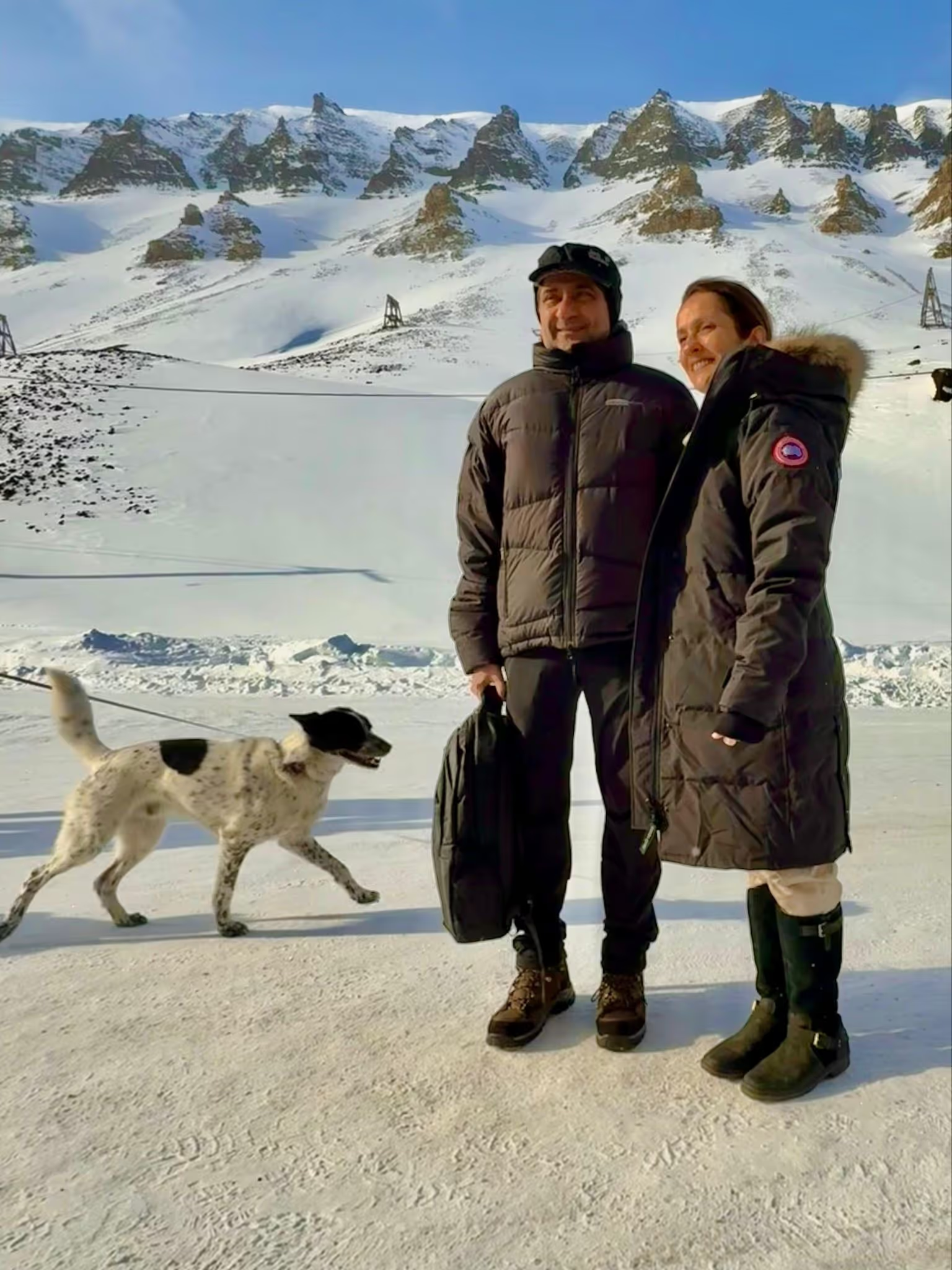
Her biggest worry before the trip? 160+ people landing on one of the most fragile ecosystems on the planet. She'd seen what careless tourism does. But when she watched UnWild Planet pull off, it shifted something for her.
"Tourism can be a force for preservation. I saw it happen. That changed what I look for in every trip now."
WHAT YEARS OF RESCUE WORK DOES TO HOW YOU SEE WILDLIFE
Here's the thing about spending your career rehabilitating animals: it tunes you to vulnerability. Sausan didn't just want to spot polar bears and reindeer. She understood, bone-deep, what those animals were up against.
A conversation with UnWild’s guide Hilde Falun Strøm, Arctic explorer, activist, flipped her perspective from wonder to urgency. She started seeing the same patterns she knows from Mumbai: shrinking habitats, adaptive animals under pressure, ecosystems quietly fraying at the edges.
THE WILDLIFE MOMENTS THAT STAYED WITH HER
They didn't see polar bears. No arctic foxes either. And Sausan will be the first to tell you, that's fine. More than fine, actually.
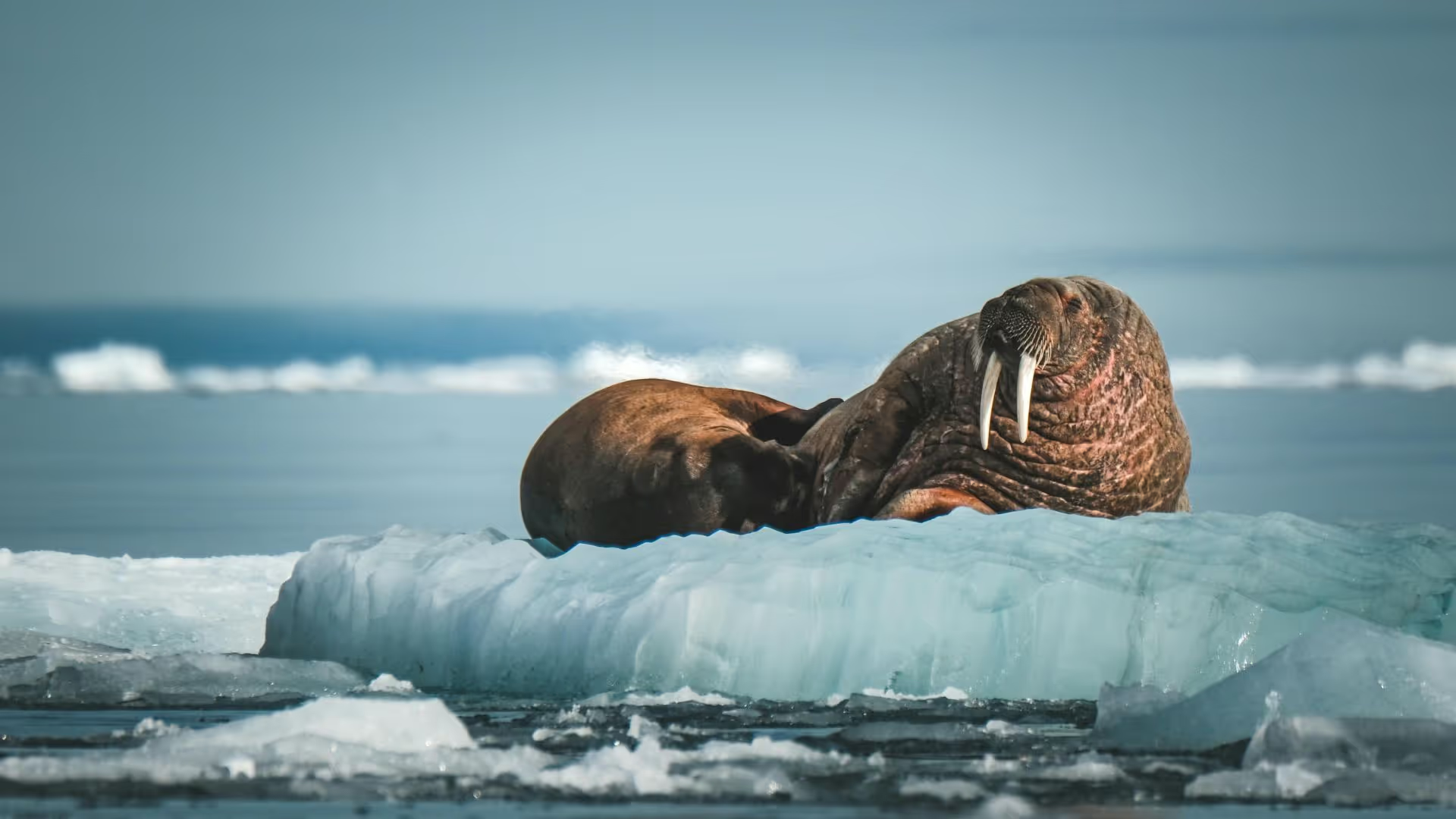
Two walruses on floating ice, completely unbothered. Herds of reindeer grazing on tiny flat shrubs, finding sustenance in a landscape that gives very little. Animals on their own terms, in their own time.
"Travelling in sync with an ecosystem means waiting for the fox to come to you, not the other way around. It's the same patience I need with a traumatised animal in my rescue work. You earn trust by not demanding it."
THE MOMENT SHE CAN'T STOP THINKING ABOUT
Ask her for the one thing that stays with her, and it's not an animal sighting.
"The cruise into the open sea. Being next to those icebergs, really next to them and understanding that they carry freshwater, that they sustain the entire marine food web, and that we're melting them without a second thought. I haven't looked at a glass of water the same way since."
HOW TO ACTUALLY TRAVEL RESPONSIBLY OUT THERE
No single-use plastics. Full stop, in a zero-trace zone, even a bottle cap matters. Keep your distance (200m from polar bears, 100m from walruses). Silence your camera gear, that shutter click that startles a nesting bird matters. Choose operators with electric vessels or low-impact hike protocols. And when you're home, don't just keep the memories: fund local conservation and actually talk about why Svalbard's ecosystem is everyone's problem.
Sausan is back in Mumbai. Same strays, same streets, same daily battles. But something shifted out there on the ice.
"The line between rescue work and wildlife conservation is thinner than I thought. Svalbard made it all feel connected; urgently, beautifully connected."
That's exactly the kind of trip we're trying to build. Welcome to Unwild Planet.